
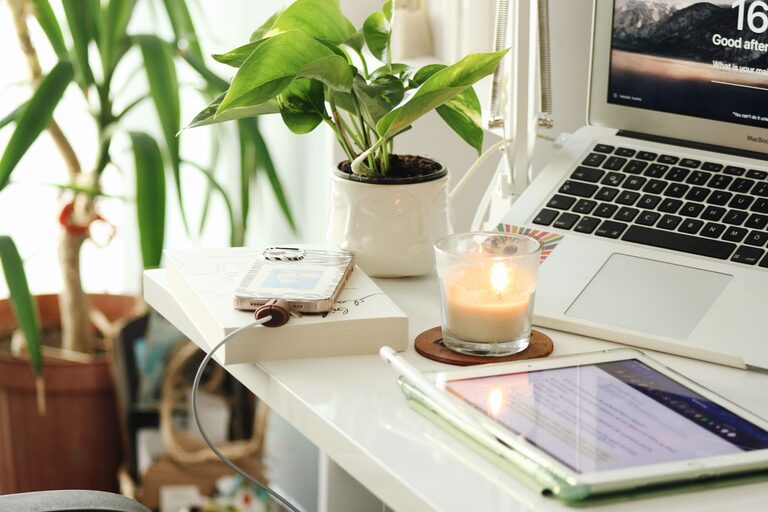
Creating an effective home workspace is essential for anyone working remotely or studying from home. The right environment can help you stay focused, motivated, and stress-free. This guide will take you through practical ideas to make your home workspace both relaxing and productive.
Why a Dedicated Workspace Matters
Having a space solely dedicated to work helps your brain switch into “work mode” and signals when it’s time to focus. Without a clear boundary, distractions can easily take over, reducing the quality and quantity of your work. Moreover, a well-arranged workspace helps avoid physical discomfort and mental fatigue.
Choosing the Right Location
Quiet and Private
Select a room or corner where noise and interruptions are minimal. A quiet environment reduces distractions and makes concentration easier. If space is limited, consider noise-cancelling headphones or room dividers.
Natural Light
Position your desk near a window to take advantage of natural daylight. Sunlight boosts mood and energy, helping you feel more alert and positive throughout the day. Avoid glare on screens by using blinds or curtains as needed.
Temperature and Ventilation
A room that is too hot or cold can be distracting and uncomfortable. Ideally, your workspace should be well-ventilated with a comfortable temperature to maintain focus and alertness.
Setting Up Your Desk and Chair
Ergonomics Are Key
Invest in a good quality chair that supports your back and promotes healthy posture. Your feet should rest flat on the floor, and your knees should be at a 90-degree angle. Your desk should be at a height where your forearms are parallel to the floor when typing.
Desk Organisation
Keep your desk tidy and free from clutter. Use organisers, trays, or drawers to store stationery and documents. A clear workspace helps reduce stress and improves your ability to focus on tasks.
Technology Setup
Arrange your computer, keyboard, and mouse so that you don’t have to stretch or strain to use them. If possible, use a separate keyboard and mouse with a laptop stand to keep screens at eye level.
Creating a Relaxing Atmosphere
Colours and Decor
Choose calming colours for your workspace, such as soft blues, greens, or neutrals. Avoid overly bright or distracting patterns. Personalise the space with a few favourite items or plants to create a welcoming atmosphere.
Plants and Greenery
Adding plants to your workspace can improve air quality and add a touch of nature, which helps reduce stress and promote calm. Choose easy-to-care-for plants like succulents or spider plants.
Lighting
In addition to natural light, make sure you have adequate artificial lighting, such as a desk lamp with adjustable brightness. Soft, warm lighting can make your space feel more relaxing during darker hours.
Managing Noise and Distractions
Sound Control
If external noises are distracting, try white noise machines or soft music. Noise-cancelling headphones are also a great investment for improving concentration in noisier homes.
Digital Distractions
Limit digital interruptions by turning off unnecessary notifications and setting specific times to check emails and social media. Apps that block distracting websites can also help you stay on task.
Establishing a Routine
Set Working Hours
Define your working hours and stick to them. This helps create balance and signals the start and end of your workday to both yourself and others in your household.
Take Regular Breaks
Breaking your work into manageable chunks with short breaks improves productivity and reduces eye strain and fatigue. Techniques like the Pomodoro method (25 minutes focused work followed by 5 minutes rest) can be effective.
Movement and Stretching
Include some movement during breaks, such as stretching or a short walk. This helps combat stiffness and keeps energy levels higher.
Additional Tips for Comfort and Efficiency
– Cable Management: Use clips or sleeves to organise cables and prevent tangling.
– Storage Solutions: Shelves or filing cabinets keep your documents organised and easily accessible.
– Inspirational Elements: Add a vision board or motivational quotes to help keep you inspired.
– Hydration and Snacks: Keep a water bottle nearby and healthy snacks for energy boosts during long work sessions.
Conclusion
Creating a home workspace that is both relaxing and productive takes some planning but pays off with better focus, comfort, and well-being. By choosing the right location, organising your desk intelligently, managing distractions, and establishing good habits, you can make your home office a place you enjoy spending time in — and where you can do your best work.
Experiment with these tips and modify your space as needed until you find the setup that works perfectly for you. Remember, the goal is a workspace that supports both your productivity and your peace of mind.