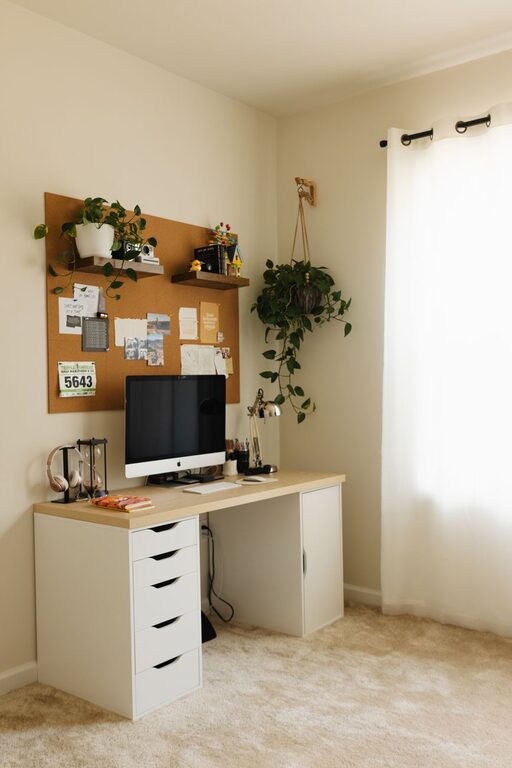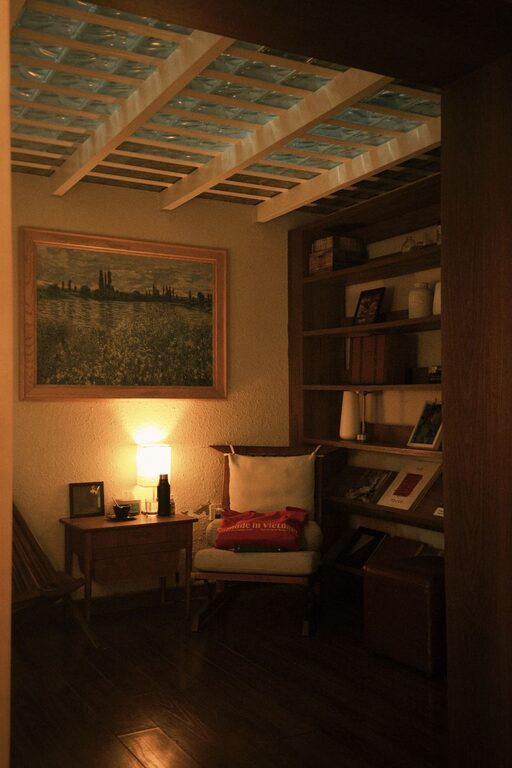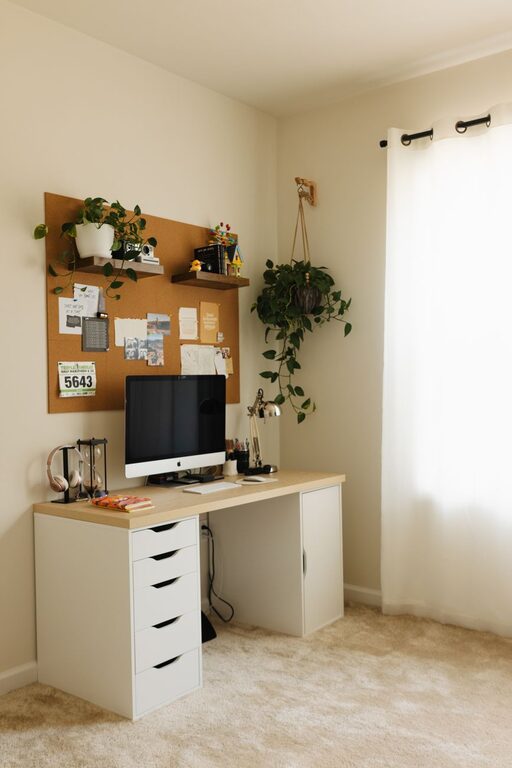
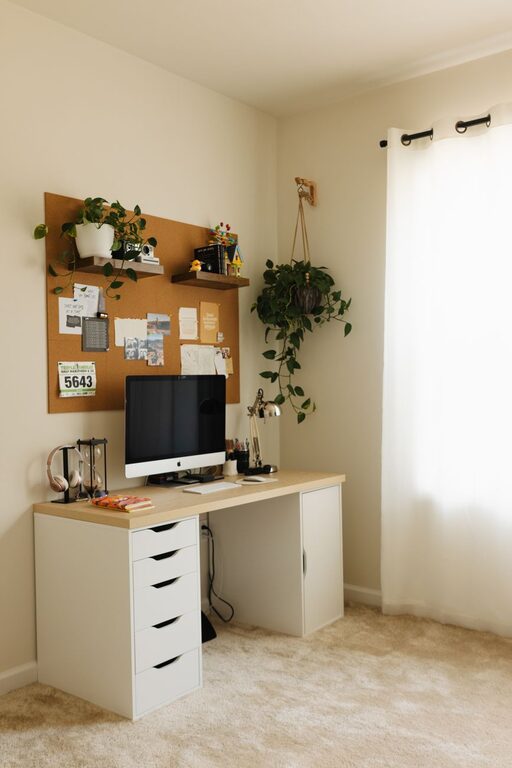
Creating a productive home office environment is essential for anyone working remotely or running a business from home. A well-organised, comfortable space can improve focus, motivation, and overall job satisfaction. Whether you have a dedicated room or a small corner, there are simple ways to make your home office work for you.
Choose the Right Location
Selecting the best spot in your home for a workspace is the first step. Ideally, this area should be quiet, well-lit, and free from distractions. If possible, pick a room with a door to minimise noise and interruptions. If a separate room isn’t available, choose a corner of a room that’s less trafficked.
Consider the natural light: a space with plenty of daylight can help reduce eye strain and keep you alert.
Invest in Comfortable Furniture
Comfort is key to maintaining productivity throughout the day. A good desk and an ergonomic chair support your posture and prevent aches.
– Desk: Make sure your desk height suits you, allowing your arms to rest comfortably when typing.
– Chair: Invest in an adjustable chair that supports your lower back.
– Arrangement: Place frequently used items within easy reach to avoid unnecessary movements.
Keep Your Workspace Organised
Clutter can be distracting and undermine concentration. Develop habits and systems to keep your desk tidy.
– Use drawers, shelves, or storage boxes for items not needed immediately.
– Regularly clear out papers and unnecessary objects.
– Maintain a clean surface to help your mind feel clearer.
Personalise Your Space Wisely
Adding personal touches can make the workspace inviting without causing distraction.
– Include plants to improve air quality and create a calming atmosphere.
– Hang artwork or photos that inspire you.
– Use colours that enhance focus, such as soft blues or greens.
Optimise Lighting
Good lighting reduces eye fatigue and improves mood.
– Use a combination of natural light and adjustable artificial lights.
– Position your monitor to avoid glare from windows or overhead lights.
– Consider a desk lamp with adjustable brightness.
Minimise Noise and Distractions
A quiet environment helps sustain concentration.
– Use noise-cancelling headphones if your space is noisy.
– Inform family members or housemates of your working hours to limit interruptions.
– Consider soundproofing measures, such as rugs, curtains, or acoustic panels.
Use Technology Thoughtfully
Equip your home office with the right technology to enhance efficiency.
– Invest in a reliable internet connection.
– Use a good quality monitor, keyboard, and mouse.
– Manage notifications on your devices to reduce distractions.
– Consider productivity apps for task management and time tracking.
Maintain a Routine
Working from home can blur the lines between work and personal life. Setting routines can help.
– Start and finish work at consistent times.
– Take regular short breaks to rest your eyes and stretch.
– Dress for work to signal your brain it’s time to focus.
Add Ergonomic Accessories
Small additions can greatly improve comfort.
– A footrest can help maintain posture.
– Adjustable monitor stands can prevent neck strain.
– Wrist supports reduce the risk of repetitive strain injuries.
Keep Hydrated and Nourished
Remember to keep water nearby and snack healthily to maintain energy levels throughout your workday.
—
Designing a productive home office environment is about combining comfort, organisation, and personal preference. By applying these practical tips, you can create a space that supports your work and wellbeing, no matter the size of your home or nature of your work.