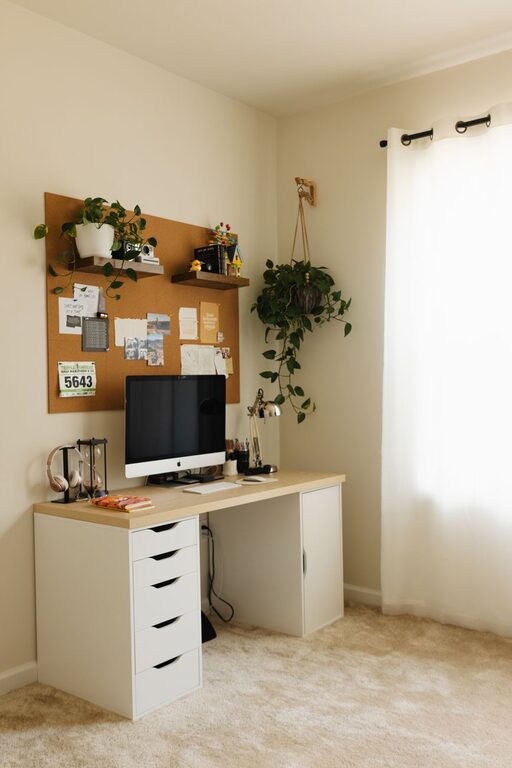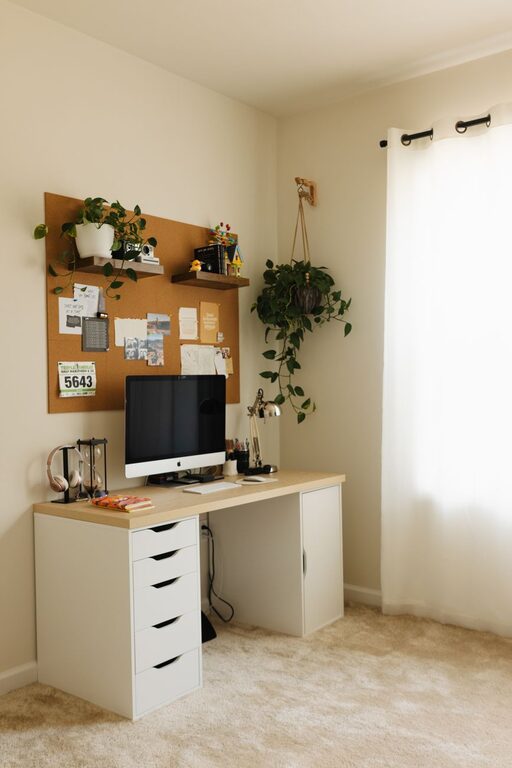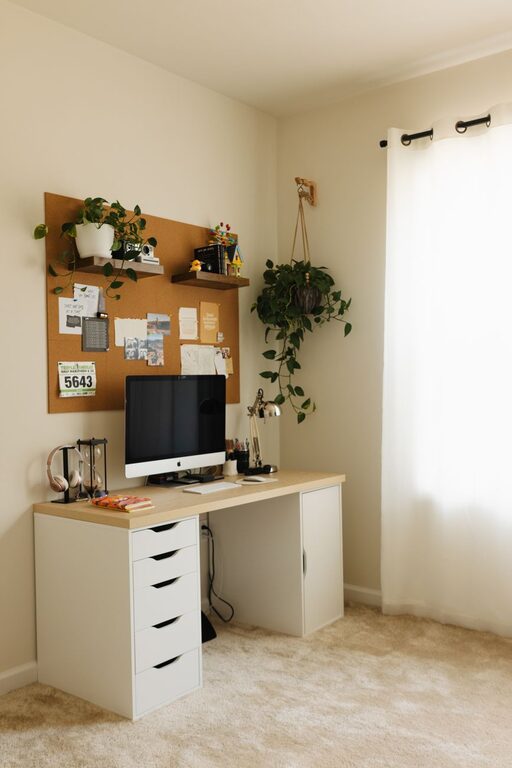

Creating a relaxing home workspace is essential for anyone working from home or spending significant time on personal projects. A well-designed space can help improve focus, reduce stress, and promote a healthy work-life balance. Whether you have a dedicated room or a small corner, these tips will guide you in crafting an environment that supports both productivity and wellbeing.
Why a Relaxing Workspace Matters
Before diving into tips, it’s important to understand why creating a calming workspace is beneficial:
– Improved Focus: A clutter-free, peaceful environment helps reduce distractions.
– Reduced Stress: Relaxing elements like natural light and plants can lower anxiety.
– Better Health: An ergonomic setup supports physical wellbeing.
– Enhanced Creativity: A pleasing space encourages innovative thinking and motivation.
Choosing the Right Location
Find a Quiet Spot
Select a part of your home where interruptions are minimal. This might be a spare room, a loft, or even a quiet corner away from high-traffic areas.
Consider Natural Light
Natural light boosts mood and energy. Position your desk near a window if possible, but avoid direct glare on your screen.
Check for Adequate Power and Connectivity
Ensure your workspace has easy access to electrical outlets and a stable internet connection to avoid frustration during work.
Create Comfort with Ergonomics
Invest in a Quality Chair
A supportive chair is crucial. Look for adjustable height and lumbar support to maintain good posture.
Choose the Right Desk
Your desk should suit your work style and space. Whether it’s a traditional desk or a standing option, ensure it’s comfortable and functional.
Position Your Screen Properly
Keep your monitor at eye level and at an arm’s length to reduce neck strain and eye fatigue.
Personalise Your Space
Use Calming Colours
Soft, neutral tones like light blues, greens, or beige can create a peaceful atmosphere. Avoid overly bright or harsh colours that may cause distraction.
Add Plants
Indoor plants improve air quality and bring a touch of nature indoors. Even low-maintenance varieties like succulents can uplift your mood.
Decorate Thoughtfully
Incorporate art, photos, or décor that inspires you but avoids clutter. The aim is to create a space that feels welcoming without being overwhelming.
Organise for Efficiency and Calm
Declutter Regularly
Keep only essential items on your desk. Use drawers or organisers to store supplies neatly.
Use Storage Solutions
Shelves, boxes, or filing cabinets help keep paperwork and equipment tidy, freeing up workspace.
Implement a Filing System
Whether digital or physical, a clear organisation method prevents waste of time searching for documents.
Incorporate Relaxation and Break Areas
Designate a Break Spot
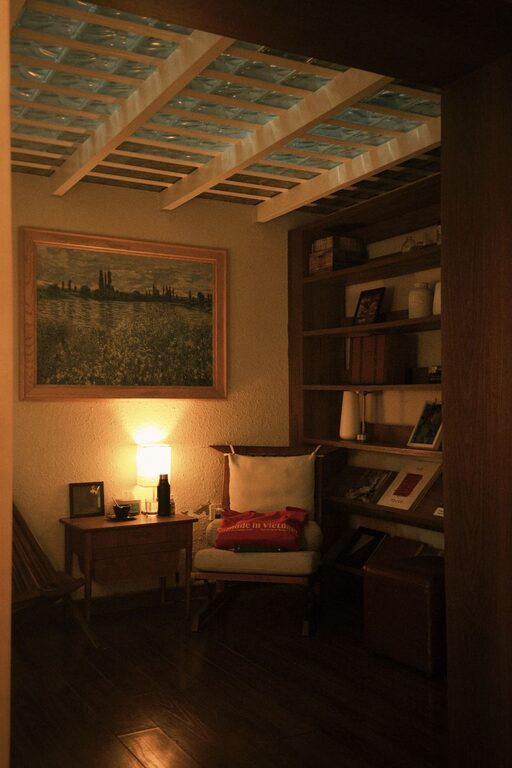
If possible, create a small area nearby to step away during breaks. A comfortable chair or cushion encourages you to rest without leaving your workspace.
Use Soft Lighting
Apart from your main work light, consider lamps with adjustable brightness. Softer lighting reduces eye strain and creates a soothing environment.
Play Ambient Sounds or Music
Low-volume instrumental or nature sounds can aid focus and relaxation.
Prioritise Air Quality and Temperature
Ventilate Your Space
Open windows regularly or use fans to circulate fresh air.
Maintain Comfortable Temperature
Keep the room neither too hot nor cold to avoid discomfort and distractions.
Develop a Routine to Support Wellbeing
Take Regular Breaks
Stand up, stretch, or walk every hour to reduce fatigue.
Practice Mindfulness or Breathing Exercises
A few moments of mindfulness can rejuvenate your mind during the workday.
Set Clear Work Hours
Establish boundaries between work and leisure to prevent burnout.
—
By combining these tips, you can create a home workspace that not only supports productivity but also encourages a calm and healthy mindset. Remember, your environment influences your work; investing some time and thought into designing it pays great dividends in how you feel and perform every day.