Creating a home workspace that is both relaxing and productive can be a game-changer, especially as more people continue to work from home. Striking the right balance helps you focus better, stay motivated, and reduce stress throughout your workday.
In this post, we’ll explore practical tips and ideas to help you set up a comfortable, efficient, and calming area where you can do your best work.
Choosing the Right Location
Your home workspace should be situated in a spot that minimises distractions and feels comfortable. Here are some factors to consider:
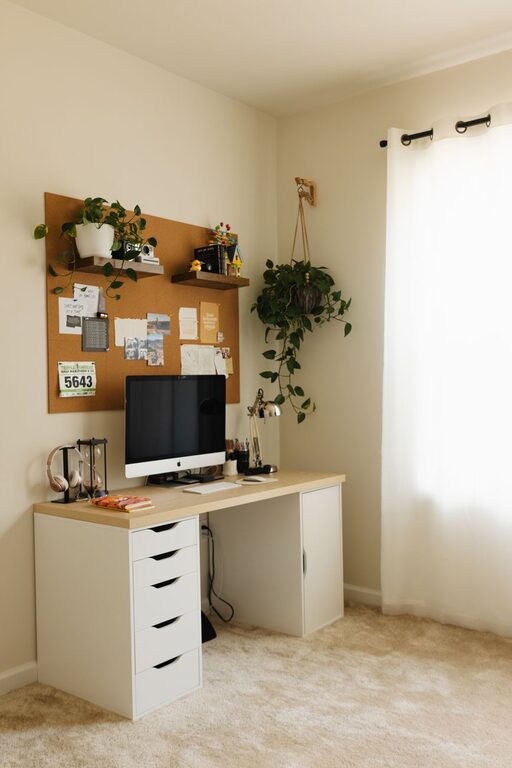
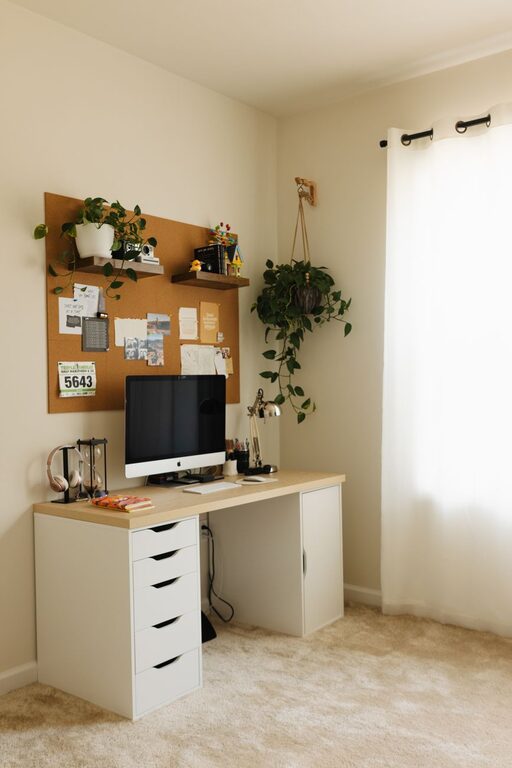
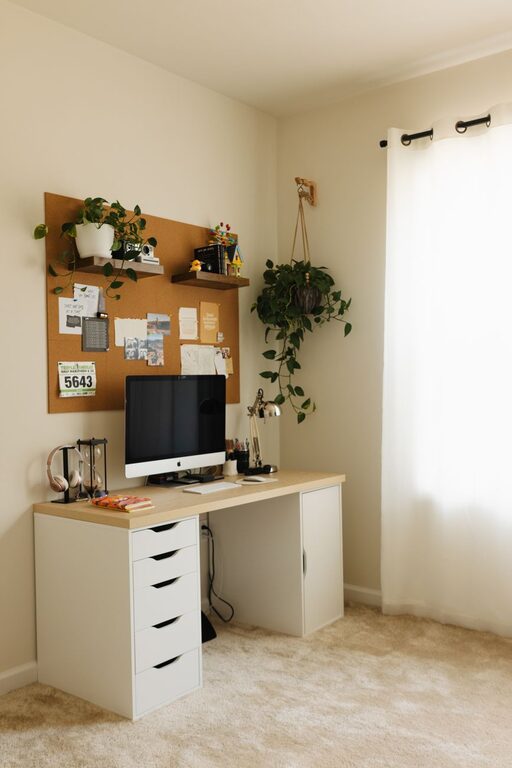
– Natural Light: Try to position your desk near a window to make the most of natural light. This not only reduces eye strain but can also boost your mood.
– Quiet Environment: Select a room or corner that is away from noisy appliances or high foot traffic.
– Space: Ensure you have enough room to move comfortably and store essentials.
Avoid working from your bed or sofa, as these spots often lead to poor posture and a blur between work and rest times.
Invest in Ergonomic Furniture
Comfort plays a huge role in productivity and relaxation. Ergonomic furniture supports your body and helps prevent fatigue and strain.
– Chair: Choose a chair that supports your lower back and allows your feet to rest flat on the floor.
– Desk: Ensure your desk is at a height where your elbows are at a 90-degree angle when typing.
– Monitor Placement: The top of your computer screen should be at or just below eye level to avoid neck strain.
Small adjustments to furniture can make a big difference in how you feel throughout the day.
Keep the Space Organised
A cluttered workspace can cause stress and make it harder to concentrate. Keep your area tidy with these tips:
– Use Storage Boxes and Trays: Keep papers, stationery, and gadgets neatly organised.
– Declutter Regularly: Set aside a few minutes at the end of each day to clear unnecessary items.
– Limit Desk Items: Only keep essentials within reach to maintain focus.
An organised space promotes a clear mind and productive workflow.
Personalise Without Overwhelming
Adding personal touches to your workspace can make it more inviting, but be careful not to overcrowd it.
– Plants: Include a small plant or two to bring life and freshness to the room.
– Artwork or Photos: Choose calming images or favourite prints that inspire you.
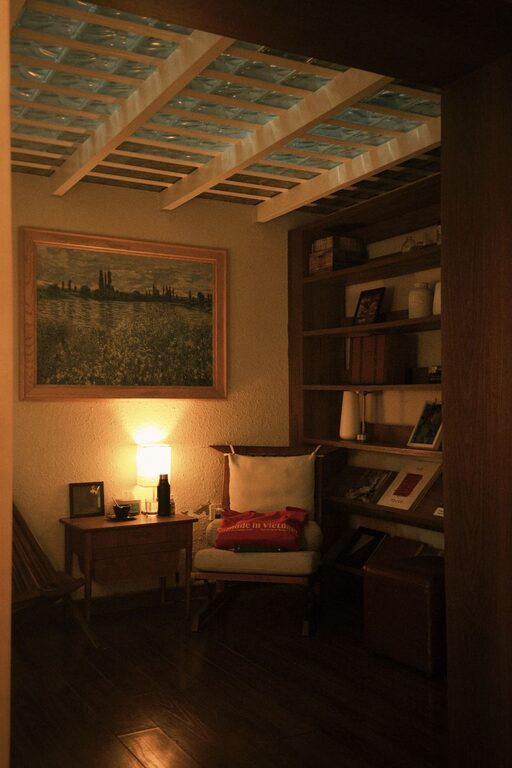
– Soft Lighting: Use lamps with warm light rather than harsh overhead lighting.
These elements create a welcoming atmosphere that helps reduce stress.
Manage Noise and Distractions
If your home is busy or noisy, try these strategies to stay focused:
– Noise-cancelling Headphones: Useful for blocking out distractions and improving concentration.
– Background Music: Calm instrumental music can enhance focus for some people.
– Clear Boundaries: Communicate with household members about your work schedule to minimise interruptions.
Controlling noise levels is key to maintaining concentration.
Incorporate Regular Breaks
Working non-stop can lead to burnout. Build breaks into your routine to refresh your mind:
– Follow the 50/10 Rule: Work for 50 minutes, then take a 10-minute break to stretch or move around.
– Step Outside: A short walk or fresh air can revitalise your energy.
– Eye Relaxation: Every hour, look away from your screen for 20 seconds to reduce eye strain.
Breaks help sustain productivity over longer periods.
Utilise Technology Wisely
Technology can enhance or hinder your workflow depending on how you use it.
– Organise Digital Files: Keep your computer desktop and folders tidy for quick access.
– Use Productivity Tools: Apps for time management, note-taking, and collaboration can keep you on track.
– Limit Notifications: Turn off non-essential notifications during focused work to avoid disruptions.
Balancing technology use supports a smoother and calmer work experience.
Prioritise Air Quality and Temperature
A comfortable environment contributes significantly to relaxation and focus.
– Ventilation: Open windows when possible to circulate fresh air.
– Air Purifiers: Consider using a purifier, especially if your workspace lacks airflow.
– Room Temperature: Aim for a temperature that feels comfortable and avoids extremes.
A pleasant atmosphere makes working from home more enjoyable.
Final Thoughts
Designing a home workspace that is both relaxing and productive doesn’t require a complete overhaul. Small changes—like rearranging your desk, investing in good furniture, and keeping the space tidy—can lead to noticeable improvements.
Remember to listen to your needs and adjust your environment to what works best for you. With the right setup, your home workspace can become a place where you enjoy working and perform at your best.