Creating a productive home office environment is more important than ever as many people continue to work remotely either full-time or part-time. The right setup can help you stay focused, reduce stress, and improve overall work performance. In this post, we’ll explore practical and easy ways to design a workspace that supports your productivity and well-being.
Choose the Right Location
Your home office should be in a quiet spot where you can concentrate with minimal distractions. Ideally, this is a separate room with a door to shut out household noise. If a dedicated room isn’t available, look for a corner or nook away from busy areas, such as the living room or kitchen.
Consider Natural Light
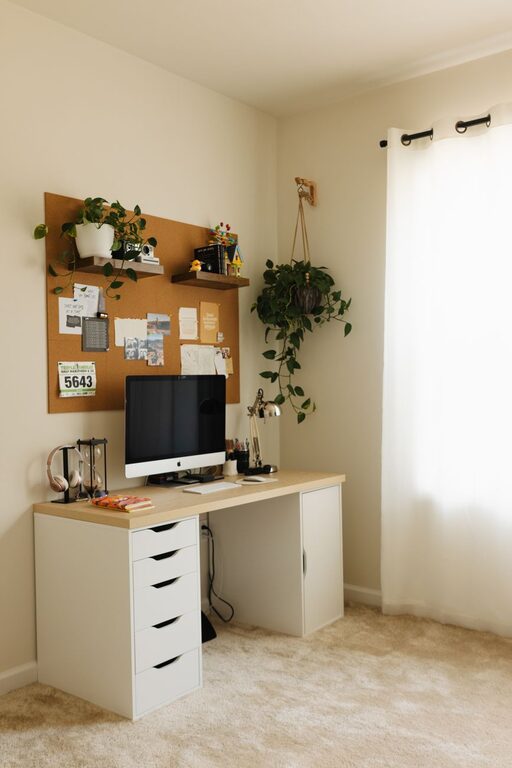
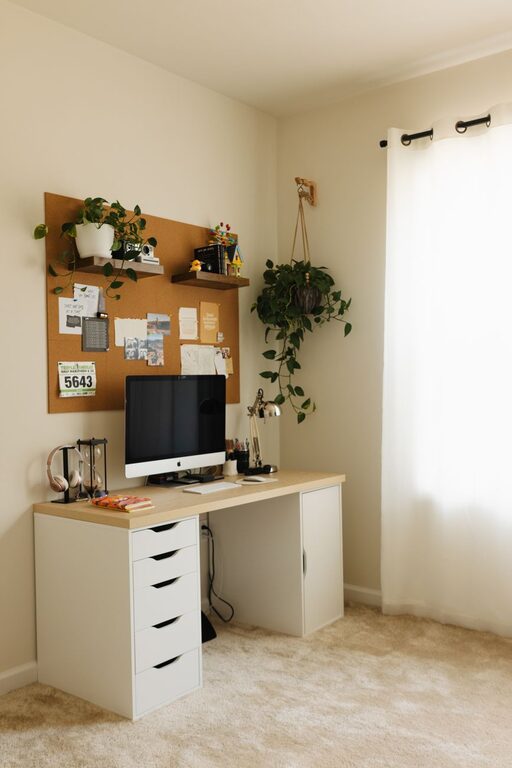
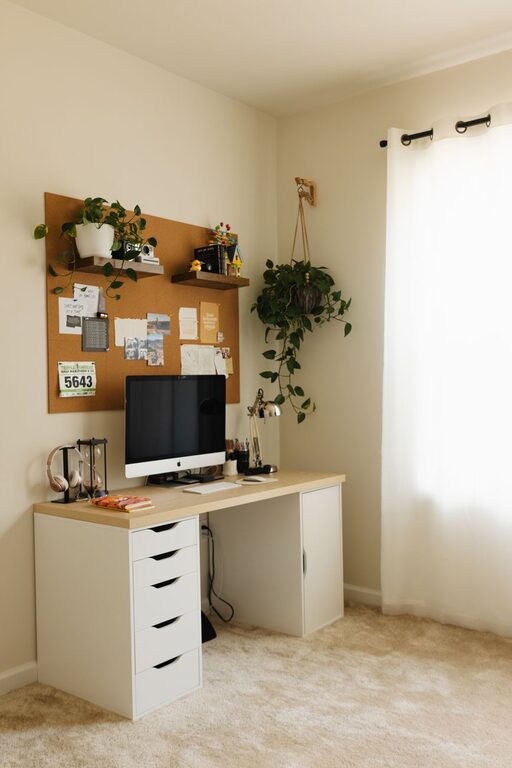
Position your desk near a window if possible. Natural light helps improve mood and alertness, making it easier to stay focused throughout the day. However, make sure to avoid glare on your screen by using blinds or curtains to control the light.
Invest in Ergonomic Furniture
Comfort is key when working from home. Sitting for long periods in an uncomfortable chair can lead to back pain and fatigue, which reduces productivity.
– Office Chair: Choose a chair with adjustable height, good lumbar support, and comfortable padding.
– Desk: Your desk should be at a height that allows your arms to rest comfortably while typing, ideally at or slightly below elbow level.
– Monitor Position: Place your monitor at eye level and about an arm’s length away to avoid neck strain.
Keep Your Workspace Organised
An organised desk helps keep your mind clear and reduces distractions. Consider these tips:
– Use drawer organisers to store pens, stationery, and small office supplies.
– Label files and folders for quick access.
– Keep your desktop tidy by only having essential items within reach.
– Implement a daily or weekly tidying routine to maintain order.
Minimise Distractions
To stay productive, limit interruptions as much as possible.
– Turn off non-essential notifications on your phone and computer.
– Use noise-cancelling headphones if you live in a noisy household.
– Communicate your working hours to family or housemates to prevent unnecessary disturbances.
Personalise Your Space Wisely
Adding personal touches can make your office feel inviting and motivate you to work, but avoid clutter.
– Decorate with plants to improve air quality and create a calming atmosphere.
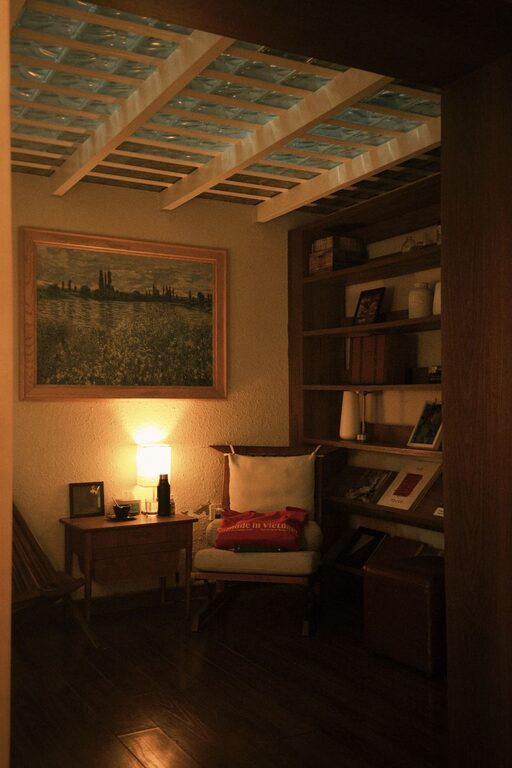
– Hang artwork or photos that inspire you.
– Use colours that boost productivity; for example, blue is often associated with focus, while green can reduce eye strain.
Optimise Lighting
In addition to natural light, good artificial lighting is essential especially during evenings or darker days.
– Use a desk lamp with adjustable brightness and colour temperature.
– Avoid overhead lights that cast harsh shadows or cause screen glare.
Establish a Routine and Boundaries
Setting clear routines helps your brain switch into work mode and signals when it’s time to relax.
– Define your working hours and stick to them as much as possible.
– Take regular breaks, for example using the Pomodoro Technique (25 minutes work followed by 5 minutes rest).
– Step away from your desk during lunch to recharge.
Utilise Technology Tools
Make use of tools that help streamline your tasks and improve focus.
– Task management apps like Trello or Asana to organise work.
– Time-tracking apps to monitor productivity.
– Virtual backgrounds or video conferencing tools for remote meetings.
Ensure Good Air Quality and Temperature
A comfortable room temperature and fresh air can impact concentration.
– Keep a window open occasionally to circulate air.
– Use a fan or heater as needed to maintain a comfortable temperature.
– Consider an air purifier if your home has poor air quality.
Plan for Breaks and Movement
Avoid sitting for too long. Incorporate movement into your day to stay alert and healthy.
– Set reminders to stand, stretch, or walk every hour.
– Use a standing desk or adjustable desk converter if possible.
– Take short walks outside during breaks to refresh your mind.
Conclusion
A productive home office environment combines comfort, organisation, and minimal distractions. By thoughtfully choosing your location, investing in ergonomic furniture, maintaining a clutter-free space, and setting clear boundaries, you create the ideal setting to thrive while working from home. Remember, small changes can make a significant difference to your daily work experience and overall productivity.
Try implementing several of these tips today to transform your home office into a space where you can focus, create and succeed.