
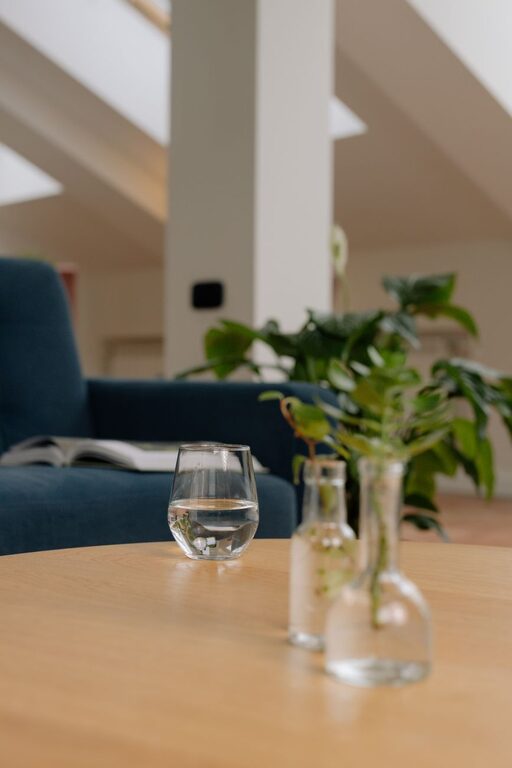
Creating a relaxing home environment can significantly improve your everyday well-being. Your home should be a place where you feel comfortable, calm, and able to recharge after a busy day. Simple changes and mindful choices in your living space can make a big difference in reducing stress and enhancing your mood. Here are some practical tips to help you create an atmosphere of relaxation at home.
Choose Soothing Colours
Colours have a strong impact on our mood and emotions. To create a relaxing home, select paint colours and décor that evoke calmness and peace.
– Soft neutrals like cream, beige, and pale greys promote a sense of tranquillity.
– Muted blues and greens are known for their relaxing and refreshing effects.
– Avoid overly bright or neon shades that can feel busy or stressful.
Try to use a consistent colour palette throughout your main living areas to create harmony and balance.
Maximise Natural Light
Natural light not only brightens your space but also boosts your mood and energy levels. Here’s how to make the most of it:
– Keep windows clean and unobstructed.
– Use sheer curtains or blinds that let light in while maintaining privacy.
– Arrange mirrors to reflect natural light deeper into rooms.
– Consider light, airy furniture to complement the brightness.
A bright, naturally lit room feels more open and uplifting, contributing to relaxation.
Declutter and Organise
Clutter can cause stress and distract from relaxation. Tidying up is a simple way to improve your home’s atmosphere.
– Set aside time each day or week to clear away unnecessary items.
– Use storage solutions like baskets, boxes, or shelves to keep things orderly.
– Keep surfaces clear—like kitchen counters or bedside tables—to create a clean, peaceful look.
– Consider adopting a minimalist approach with fewer but meaningful possessions.
An organised space helps your mind feel less overwhelmed and more at ease.
Incorporate Nature Indoors
Bringing natural elements inside encourages a calming connection with the outdoors, which can be restorative.
– Add houseplants to your rooms; they improve air quality and add a splash of greenery.
– Use natural materials in décor such as wooden furniture, stone accents, or woven textiles.
– Display fresh flowers to add colour and life.
– If possible, create a small indoor herb garden that you can tend to regularly.
Nature elements help reduce stress and improve concentration and mood.
Create Comfortable Zones
Comfort is essential for relaxation, so make sure your home invites you to unwind.
– Invest in cosy furniture like plush sofas, armchairs with cushions, or a supportive mattress.
– Use soft blankets and throws in your living areas and bedrooms.
– Add a rug to make floors warmer underfoot.
– Arrange furniture to promote conversation and relaxation rather than clutter or crowding.
Having areas dedicated to comfort encourages you to rest and enjoy calm moments.
Control Lighting Ambience
Lighting affects your energy and relaxation levels. Bright, harsh overhead lights can feel stimulating or tiring, whereas softer lighting can wind you down.
– Use lamps, wall lights, or fairy lights to create warm, gentle illumination.
– Consider dimmer switches to adjust brightness depending on the time of day.
– Use candles or tealights for a soothing glow in the evening.
– Avoid too much blue light from screens before bedtime as it can disrupt sleep.
Adjusting lighting helps signal to your brain that it’s time to relax.
Introduce Calming Scents
Scents have a powerful influence on mood and can promote relaxation.
– Use essential oil diffusers with calming scents like lavender, chamomile, or sandalwood.
– Burn scented candles that use natural fragrances.
– Simmer herbs or citrus peels on the stove for a fresh, soothing aroma.
– Avoid artificial, overpowering perfumes or chemical smells.
Pleasant, gentle scents can reduce anxiety and improve your sense of well-being.
Set Up a Mindful Corner
Having a dedicated space to unwind and practise mindfulness can benefit your mental health.
– Choose a quiet corner with comfortable cushions or a chair.
– Keep this space free from distractions like screens or clutter.
– Add calming elements such as plants, soft lighting, or inspirational books.
– Use this area for meditation, deep breathing exercises, journaling, or gentle stretching.
A mindful corner encourages daily moments of calm and self-care.
Minimise Noise Distractions
Noise pollution can disrupt relaxation at home. Consider ways to reduce unwanted sounds.
– Use rugs, curtains, or upholstered furniture to absorb noise.
– Close windows or use double glazing to block external sounds.
– Play soft background music or nature sounds to mask distracting noises.
– Use earplugs or white noise machines if needed to create silence.
A quieter home environment makes it easier to relax and focus on restful activities.
Maintain a Comfortable Temperature
Temperature affects your comfort and ability to relax.
– Aim for a balanced room temperature that’s neither too hot nor too cold.
– Use fans, heaters, or air conditioning as needed to create comfort.
– Dress appropriately for the temperature and use layering options like blankets.
– Avoid draughts by sealing windows and doors.
A consistent and comfortable temperature supports overall relaxation and well-being.
—
Creating a relaxing home environment is about making intentional choices that foster calmness and comfort. By adjusting colours, lighting, organisation, and sensory elements, you can build a sanctuary that nurtures your well-being every day. Start small with a few of these tips and gradually tailor your space to suit your needs. Over time, your home will become a peaceful retreat where you can recharge and enjoy life’s simple pleasures.